How Long Do Garage Doors Last? A Complete Lifespan Guide
Your garage door is one of the hardest-working systems in your home. Most homeowners use it multiple times every day without giving much thought to its condition. But like any mechanical system, garage doors don't last forever.
Whether you're wondering if your current garage door is nearing the end of its life or trying to determine whether a repair is worth the investment, understanding the average lifespan of a garage door can help you make an informed decision.
What Is the Average Lifespan of a Garage Door?
Most residential garage doors last between 15 and 30 years. However, the exact lifespan depends on several factors, including the material of the door, local weather conditions, maintenance habits, and how frequently the door is used.
A garage door that is properly maintained and used under normal conditions can often exceed its expected lifespan. On the other hand, neglected doors or those exposed to harsh environments may wear out much sooner.
Garage Door Lifespan by Material
Steel Garage Doors
Steel garage doors are among the most popular options because they are durable, affordable, and relatively low maintenance.
Average lifespan: 15–30 years
Steel doors resist warping and cracking but can be susceptible to rust if protective coatings become damaged.
Wood Garage Doors
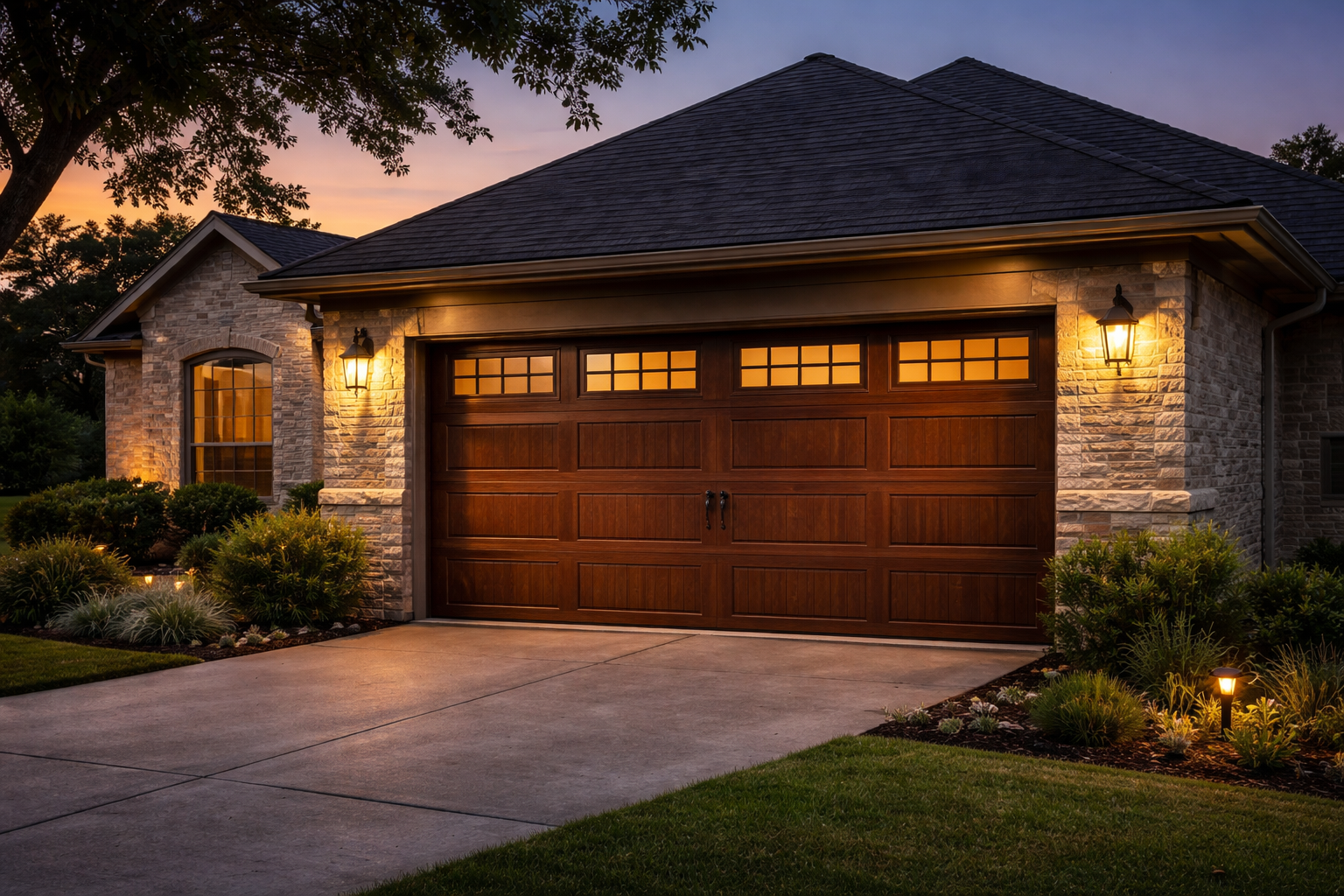
Wood garage doors offer timeless beauty and curb appeal but require more maintenance than other materials.
Average lifespan: 15–25 years
Regular sealing, painting, and protection from moisture are essential to maximize the life of a wooden garage door.
Aluminum Garage Doors
Aluminum doors are lightweight and naturally resistant to rust, making them a popular choice in humid climates.
Average lifespan: 20–30 years
Although they resist corrosion well, aluminum doors can be more prone to dents and cosmetic damage.
Fiberglass and Composite Garage Doors
Composite and fiberglass doors are designed to mimic the appearance of wood while offering improved durability.
Average lifespan: 20–30 years
These materials generally require less maintenance and hold up well against moisture and temperature changes.
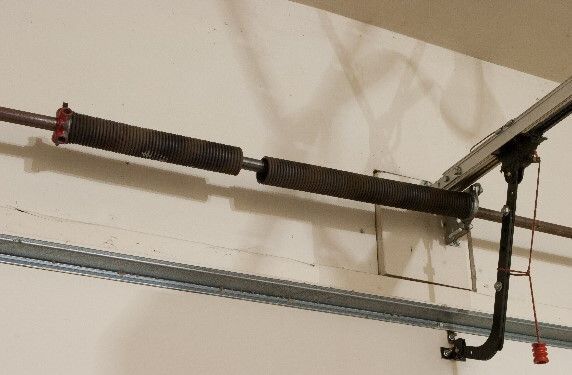
How Long Do Garage Door Springs Last?
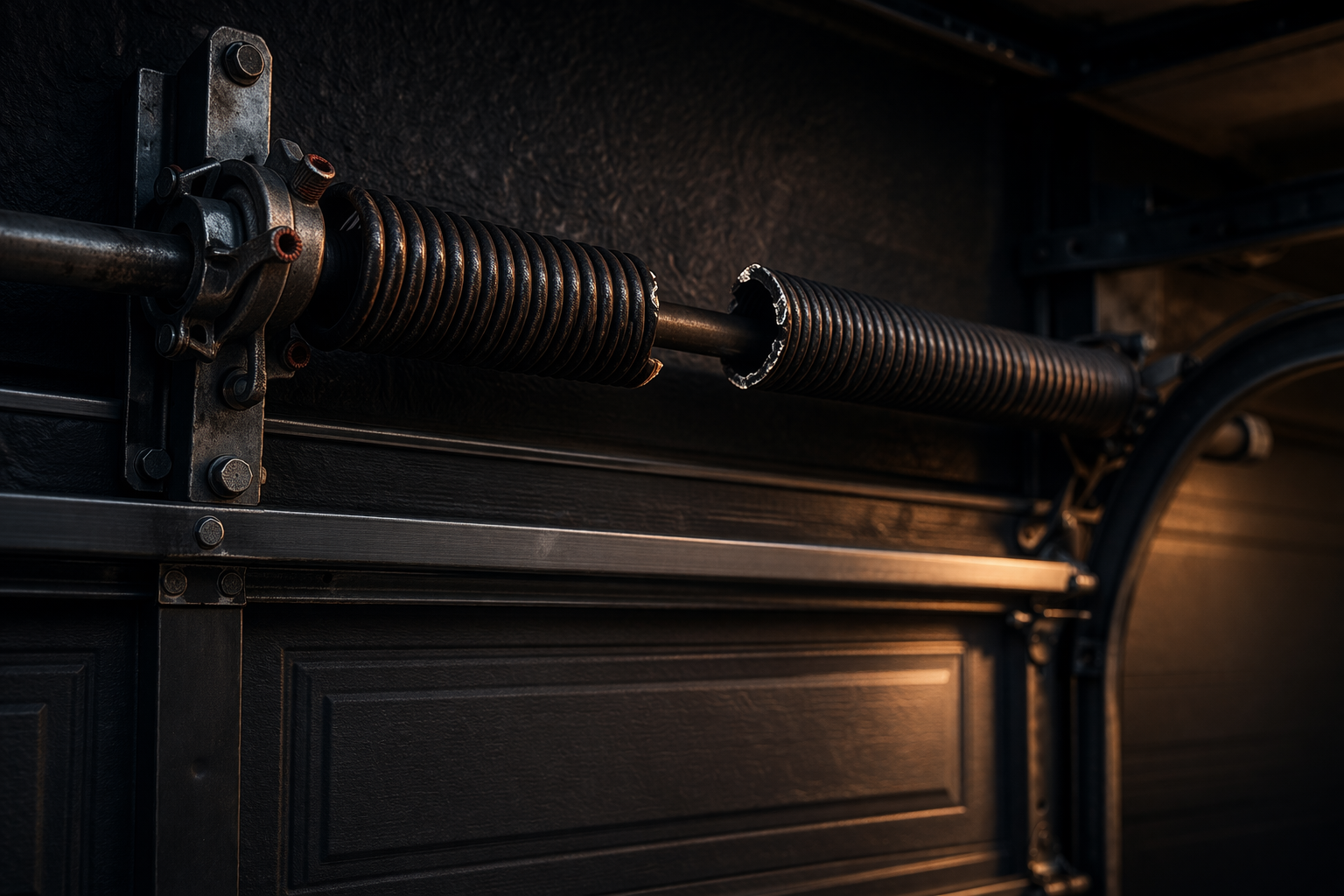
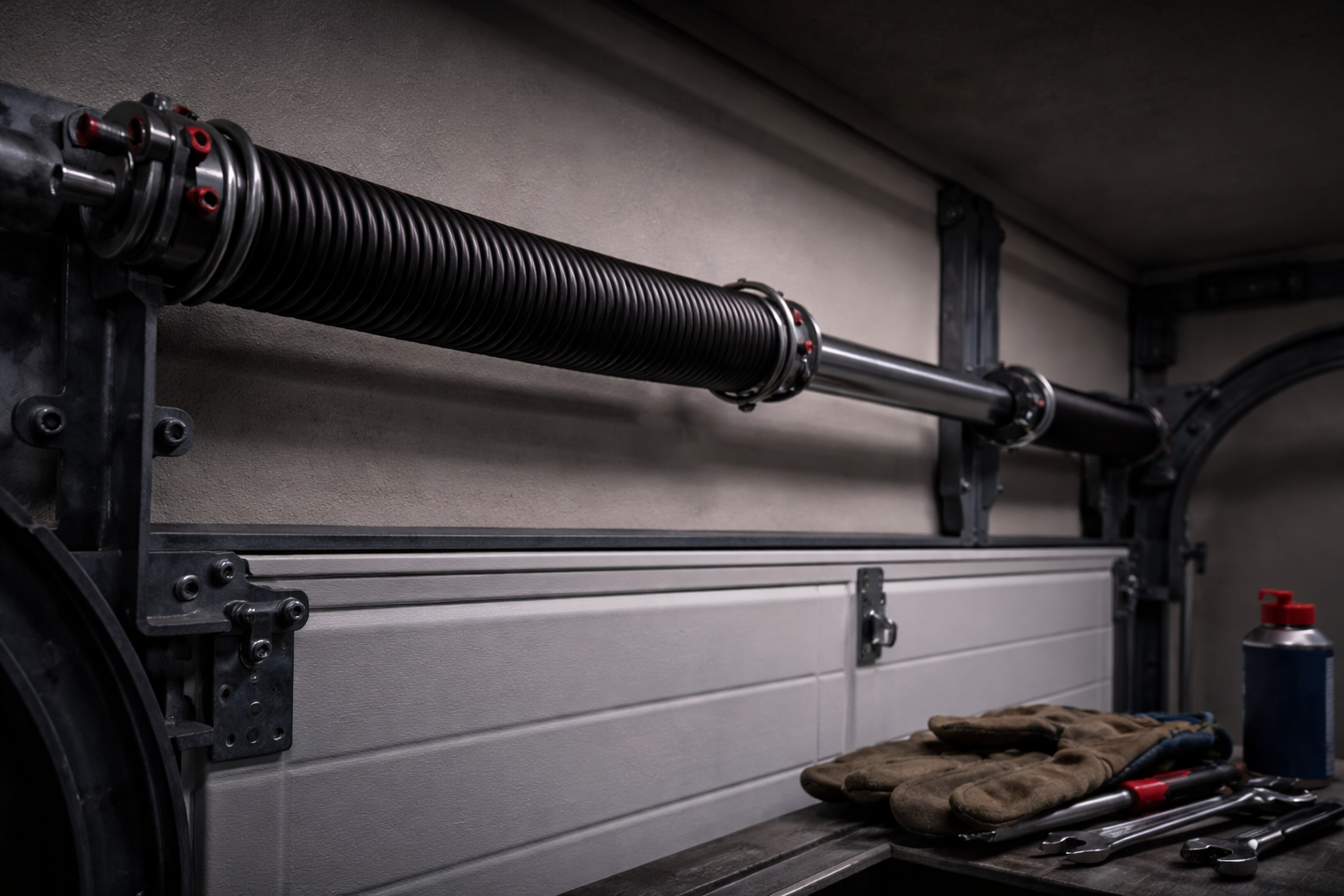
Garage door springs are often the first major component to wear out.
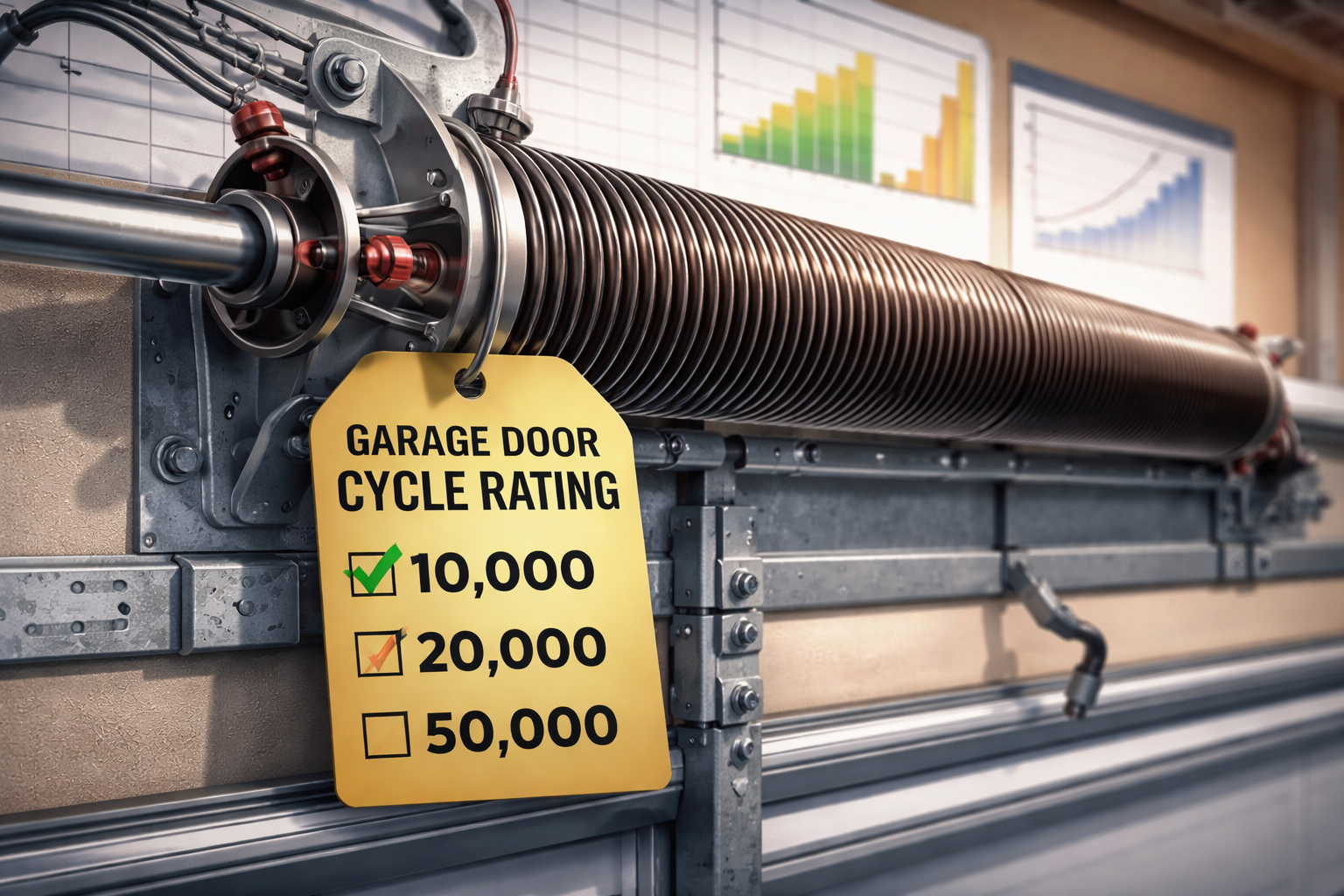
Most torsion springs are rated for approximately 10,000 cycles. One cycle equals the door opening and closing once.
For the average homeowner using their garage door four times per day, springs may last between 7 and 14 years.
Signs of failing springs include:
- Difficulty opening the door
- A loud bang from the garage
- Uneven door movement
- The door feeling unusually heavy
Because garage door springs are under extreme tension, repairs should always be handled by trained professionals.
How Long Do Garage Door Openers Last?
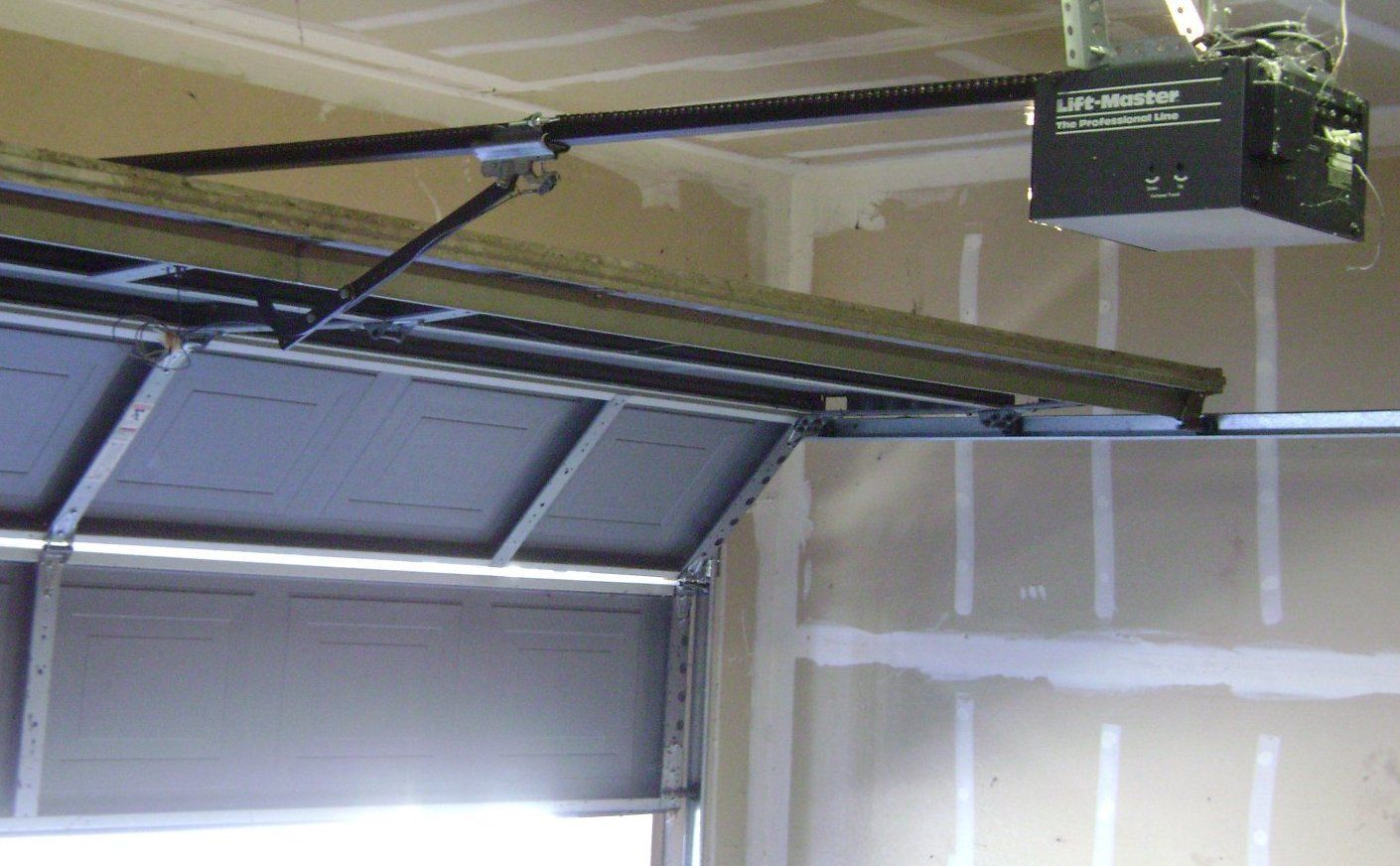
A quality garage door opener typically lasts between 10 and 15 years.
Factors that influence opener lifespan include:
- Frequency of use
- Maintenance
- Proper balance of the garage door
- Environmental conditions
Signs your opener may need replacement include:
- Excessive noise
- Inconsistent operation
- Slow response times
- Frequent repairs
- Compatibility issues with modern smart-home technology
Factors That Affect Garage Door Lifespan
Frequency of Use
A garage door used as the primary entrance to the home may open and close thousands of times each year. Higher usage naturally accelerates wear on springs, rollers, hinges, and openers.
Maintenance
Routine maintenance can dramatically extend the life of a garage door system.
Important maintenance tasks include:
- Lubricating moving parts
- Inspecting springs and cables
- Tightening hardware
- Cleaning tracks
- Testing safety features
Climate and Weather
Extreme temperatures, humidity, salt air, and severe weather can all impact garage door longevity. Moisture can contribute to rust and corrosion, while temperature fluctuations can cause materials to expand and contract over time.
Installation Quality
Even the best garage door can experience premature issues if it is improperly installed. Correct alignment, spring sizing, and balancing are critical to long-term performance.
Signs Your Garage Door May Need Replacement
While many issues can be repaired, there comes a point when replacement may be the better investment.
Common warning signs include:
- Frequent breakdowns
- Excessive noise
- Sagging or warped panels
- Rust or corrosion
- Slow or unreliable operation
- Increasing repair costs
- Outdated safety features
If repair expenses continue to add up, investing in a new garage door may provide better reliability, efficiency, and curb appeal.
Repair or Replace?
A good rule of thumb is to compare the cost of repairs against the age and condition of the door.
Repairs often make sense when:
- The door is relatively new
- Damage is isolated to one component
- The overall structure remains sound
Replacement may be the better option when:
- The door is over 20 years old
- Multiple components are failing
- Energy efficiency is poor
- Repair costs are becoming frequent and expensive
Tips to Extend the Life of Your Garage Door
If you want to maximize the lifespan of your garage door, consider these best practices:
- Schedule annual professional inspections
- Lubricate moving components regularly
- Replace worn rollers and weather seals promptly
- Keep tracks clean and free of debris
- Address minor issues before they become major repairs
- Test the door's balance periodically
Proactive maintenance can add years to the life of your garage door system while reducing the likelihood of unexpected breakdowns.
Final Thoughts
Most garage doors last between 15 and 30 years, but lifespan depends heavily on materials, maintenance, usage, and environmental conditions. By understanding how long different components last and recognizing the signs of wear, homeowners can make smarter decisions about repairs and replacements.
Regular inspections and preventative maintenance remain the best ways to protect your investment and ensure your garage door continues operating safely and reliably for years to come.