Why Garage Doors Fail Faster in Austin’s Heat (And How to Prevent It)
How Central Texas temperatures quietly damage doors, strain openers, and lead to expensive repairs
Many Austin homeowners replace their garage door opener thinking it simply “wore out.”
In reality, extreme Texas heat often damages the door first — the opener is just the part that finally gives up.
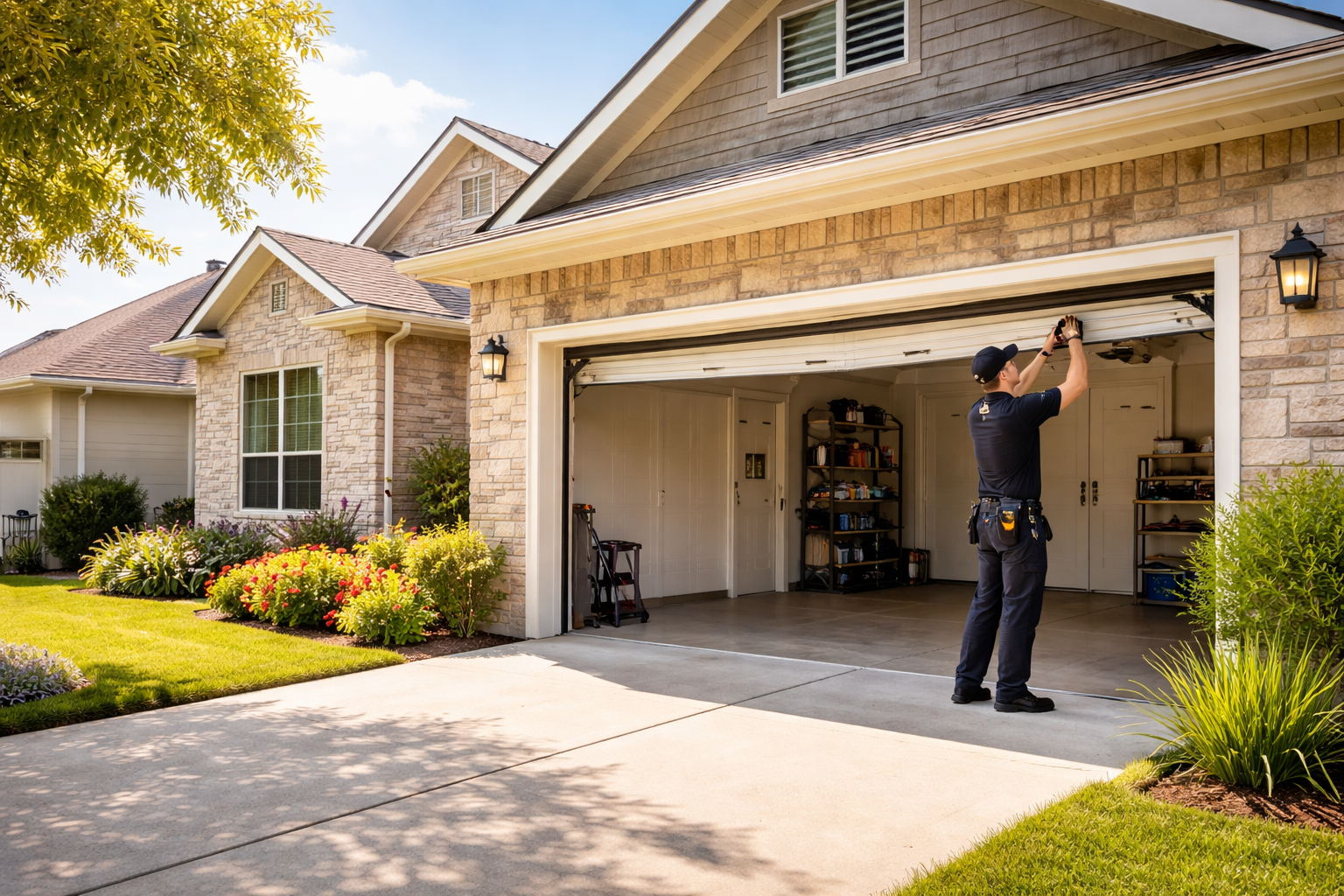
During summer in Central Texas, garage doors routinely face surface temperatures well above the outdoor air temperature. A 102°F day can push a sun-facing garage door panel past 150°F. When that happens, the materials expand, alignment changes, and the opener is forced to work harder than it was designed to.
Over time, this creates noise, reversals, slow movement, and eventually failure.
What Heat Actually Does to a Garage Door
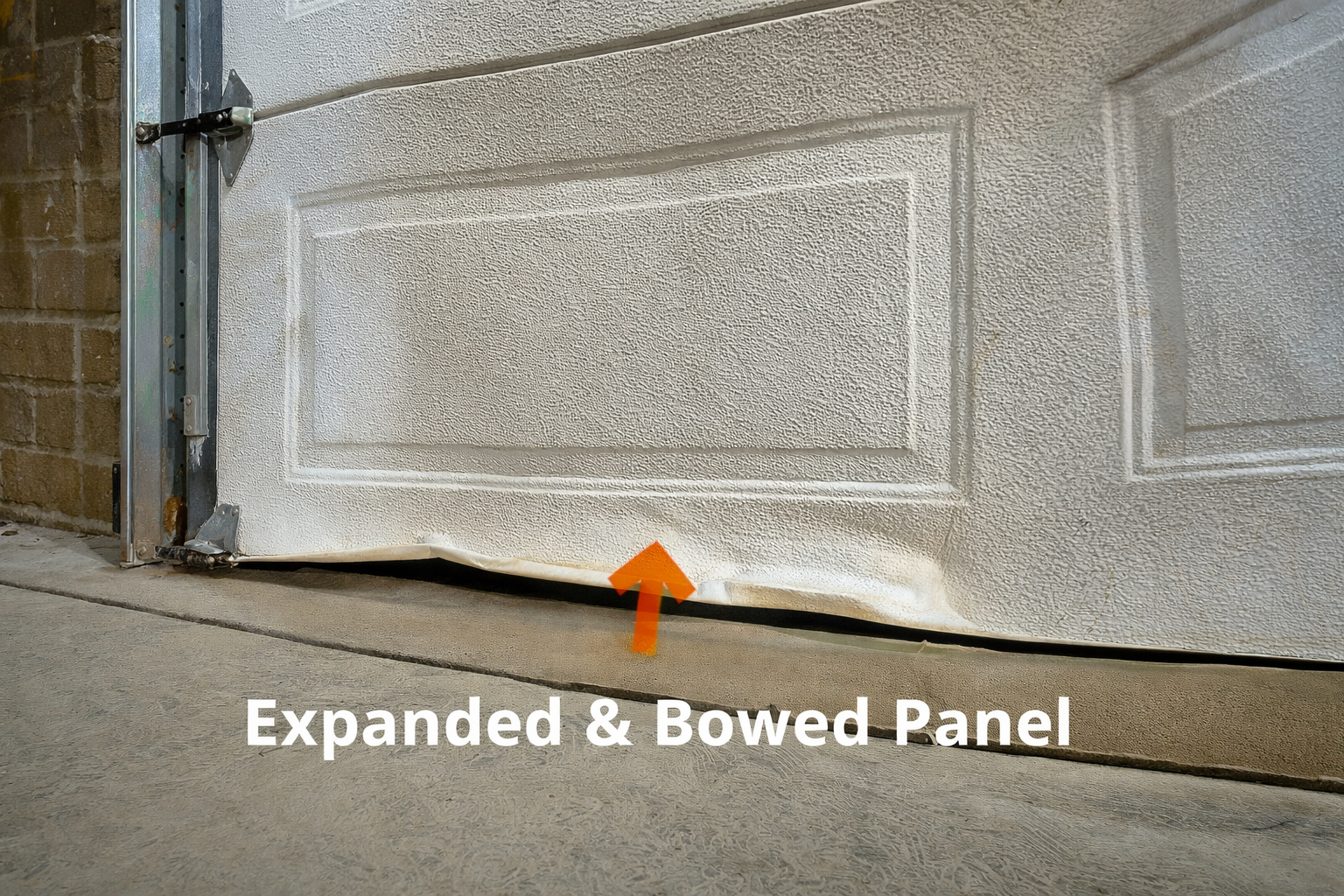
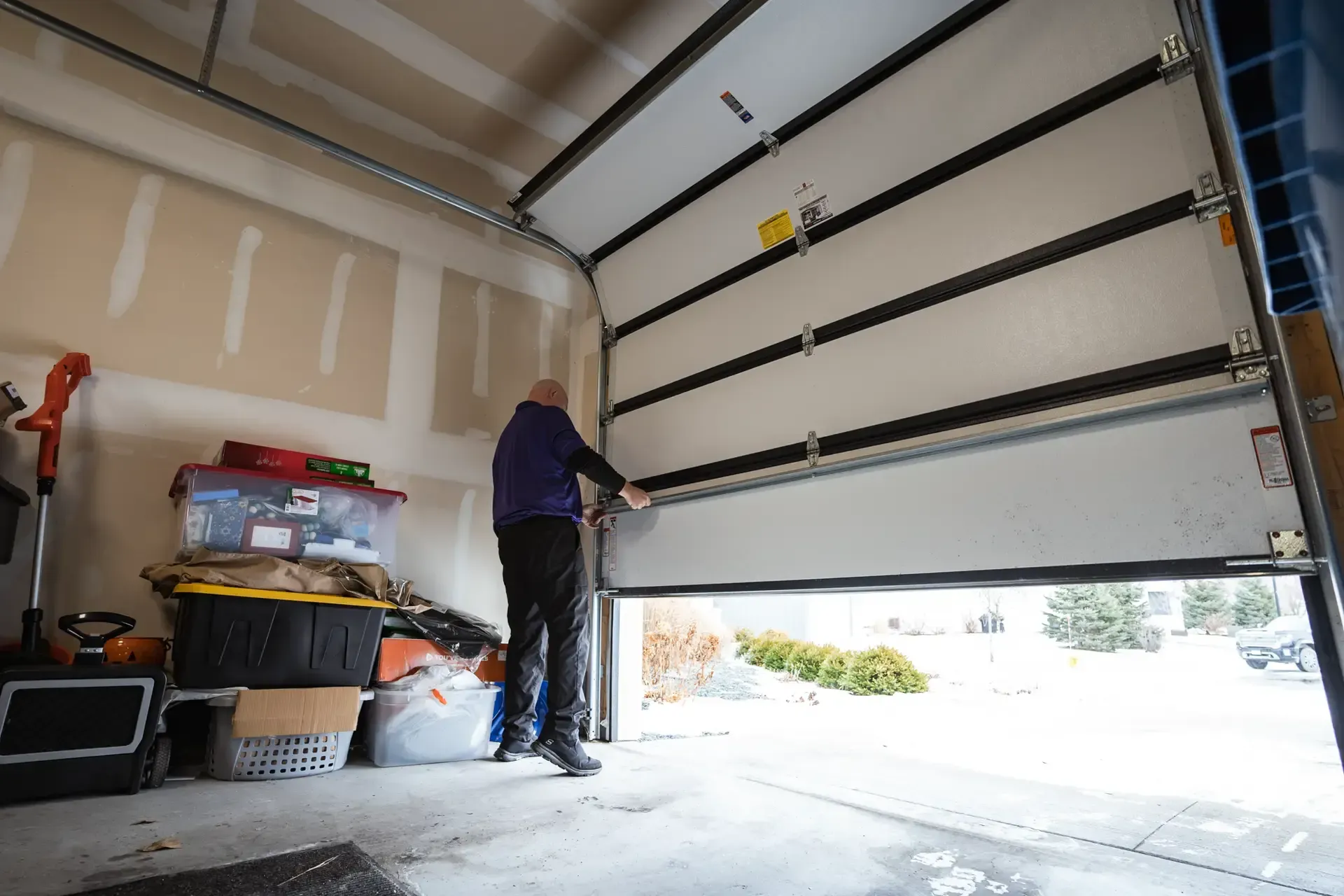
Garage doors are large moving structures mounted on rigid tracks. They rely on tight tolerances to operate smoothly. Heat changes those tolerances.
When temperature rises:
- metal expands
- wood absorbs humidity and swells
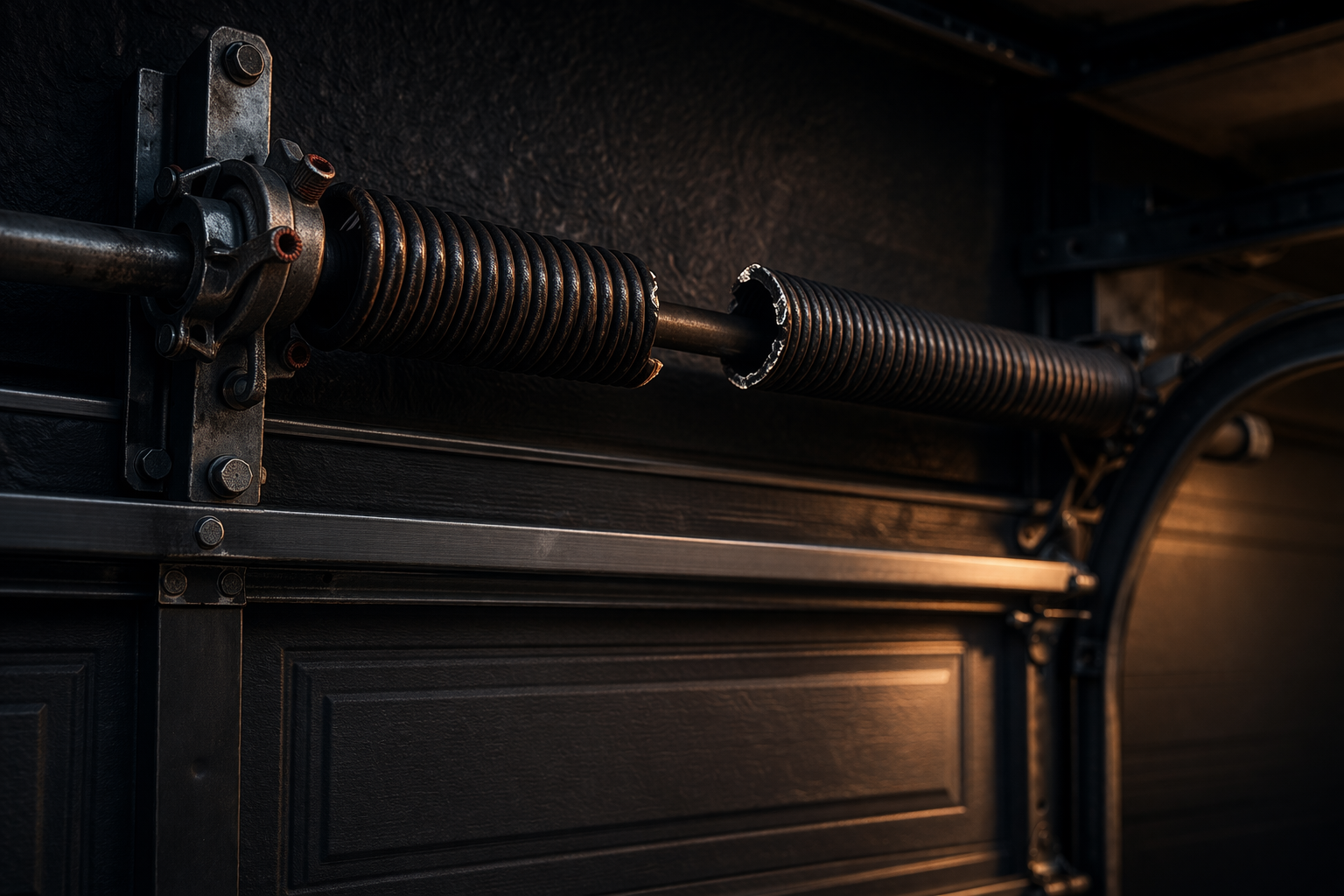
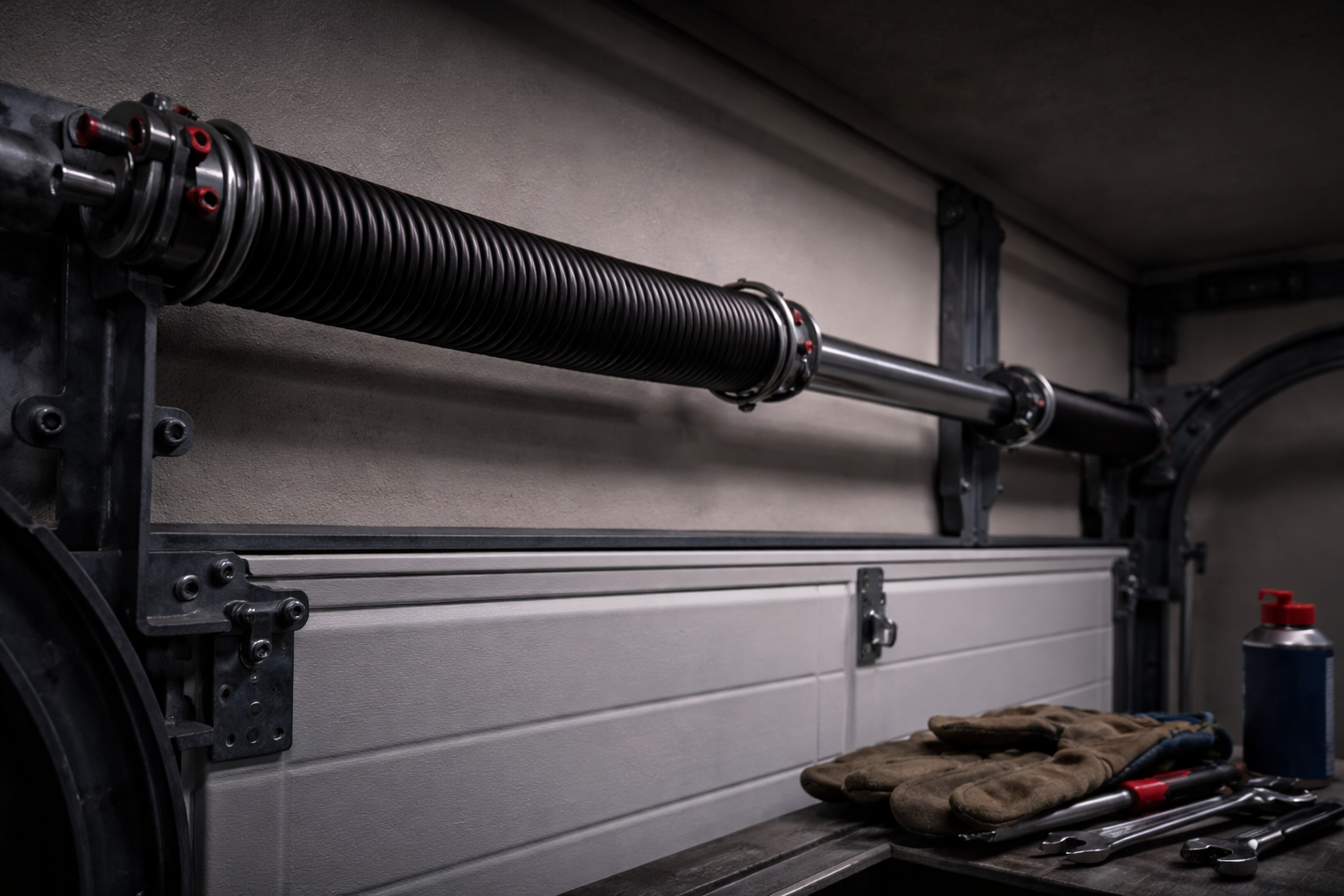
- springs change tension
- concrete slabs shift slightly
- tracks lose perfect alignment
Even small changes become noticeable because a garage door may weigh 120–300 pounds and moves several times every day.
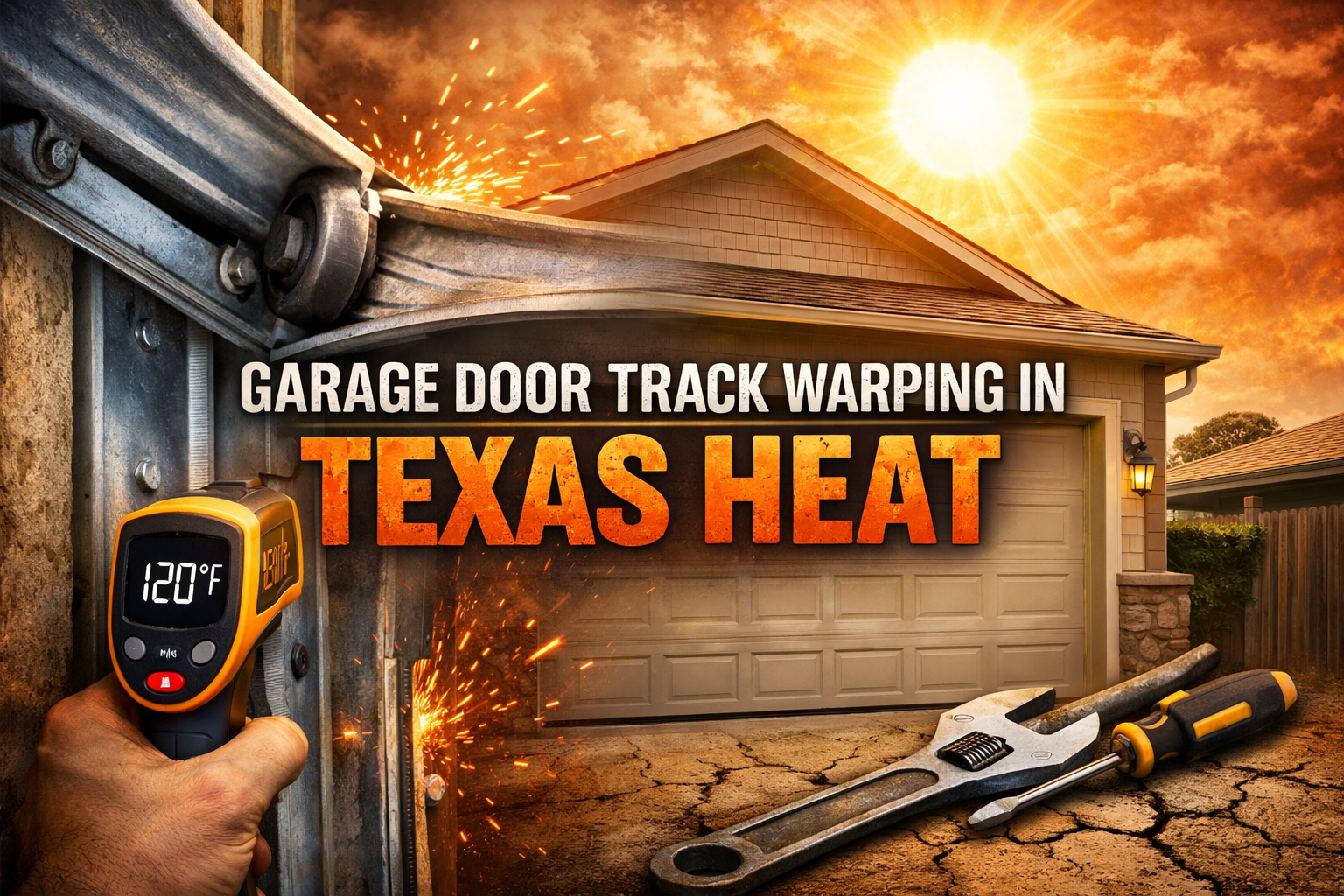
Heat doesn’t only affect springs and motors. In some cases, extreme temperatures can cause garage door tracks to shift or warp over time.
How different door materials react
Door MaterialReaction to HeatMost Common ResultSteel (non-insulated)Expands and bowsLoud operation, opener strainWoodSwells with humiditySticking or uneven closingAluminumFlexes easilySensor reversal and shakingInsulated steelMost stableLeast frequent failures
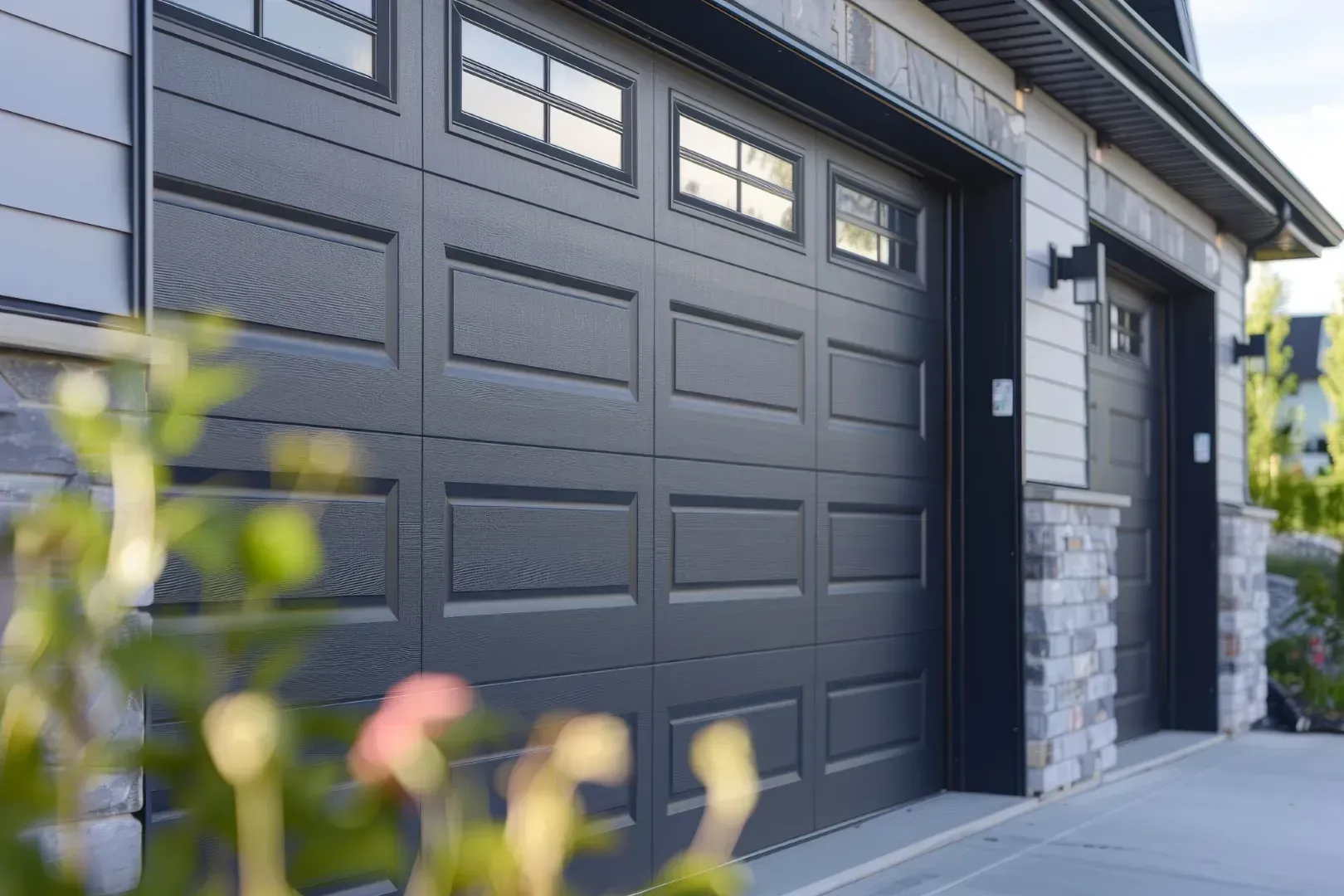
Insulated doors perform better in Texas because the inner layer slows temperature change and reduces panel distortion.
Signs Your Garage Door Is Heat Damaged
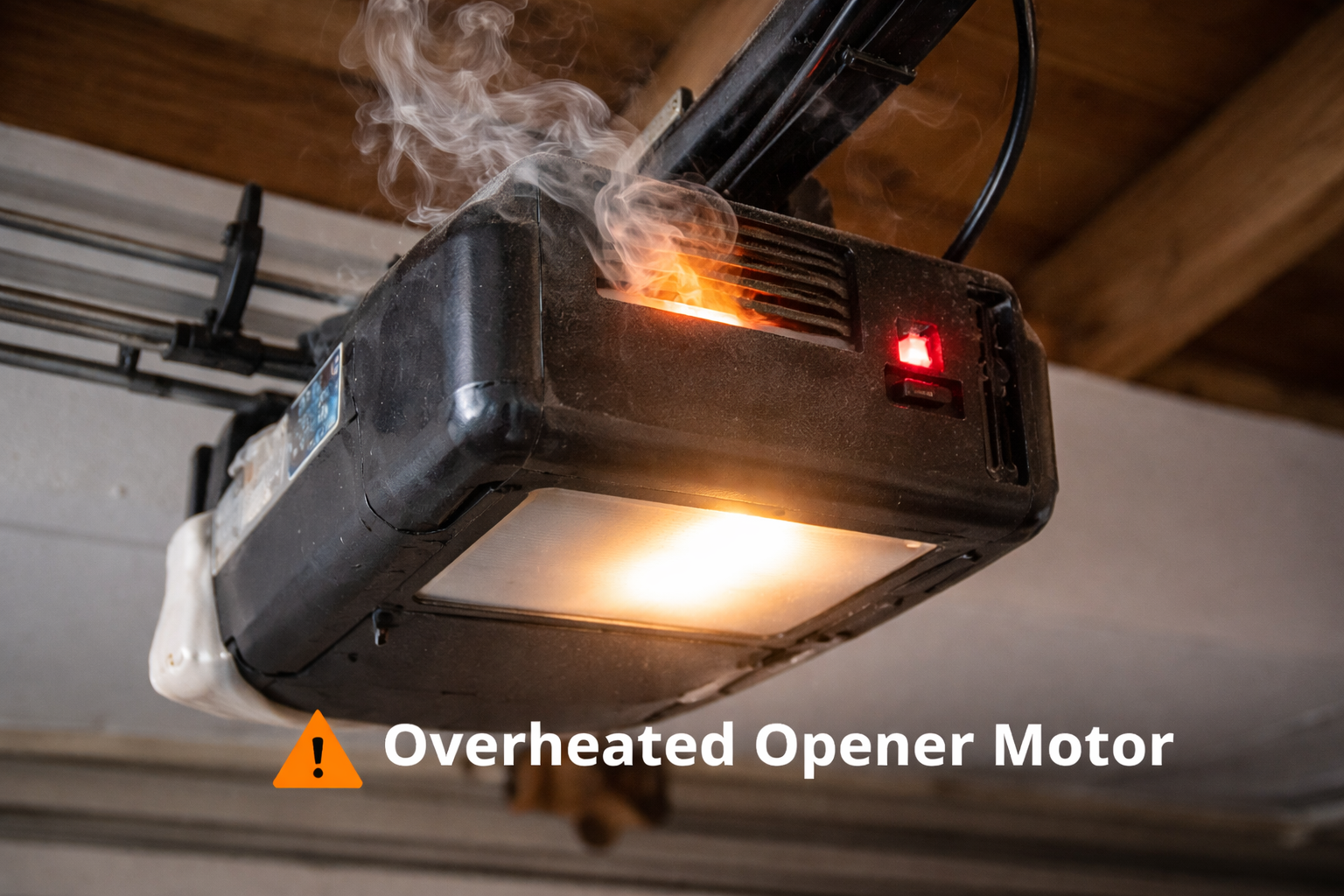
Garage doors are large moving structures mounted on rigid tracks. They rely on tight tolerances to operate smoothly. Heat changes those tolerances.
When temperature rises:
- metal expands
- wood absorbs humidity and swells
- springs change tension
- concrete slabs shift slightly
- tracks lose perfect alignment
Even small changes become noticeable because a garage door may weigh 120–300 pounds and moves several times every day.
How different door materials react
Door MaterialReaction to HeatMost Common ResultSteel (non-insulated)Expands and bowsLoud operation, opener strainWoodSwells with humiditySticking or uneven closingAluminumFlexes easilySensor reversal and shakingInsulated steelMost stableLeast frequent failures
Insulated doors perform better in Texas because the inner layer slows temperature change and reduces panel distortion.
Signs Your Garage Door Is Heat Damaged
Most heat-related issues are misdiagnosed as opener failure.
If the problem changes depending on the time of day, temperature is usually the cause.
Common symptoms:
- Works normally in the morning but struggles in the afternoon
- Door reverses before fully closing
- New grinding or popping sounds
- Bottom seal doesn’t sit evenly on the floor
- Remote struggles but wall button works
- Opener motor feels unusually hot
- Door moves slower on hot days
These happen because the door alignment changes slightly as materials expand.
Why Austin Homes Experience This More Often
Central Texas conditions are unusually hard on garage doors.
Several local factors combine:
Large temperature swings
Summer days can shift from 75°F morning to 105°F afternoon — a huge expansion cycle every day.
Slab foundations
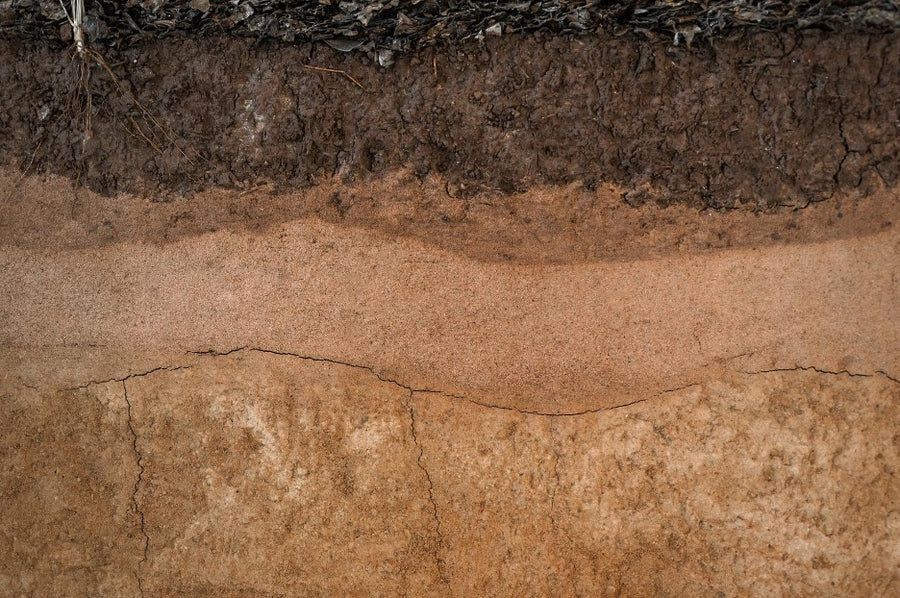
Most homes sit on expansive clay soil. Heat dries soil, slabs move slightly, and track alignment changes.
South and west facing garages
These receive direct sun for hours, dramatically heating door panels.
Attic heat transfer
Hot attic air radiates into the header above the door, warming springs and hardware.
Because of these factors, garage doors in Austin often age faster than the same models in milder climates.
How to Prevent Premature Garage Door Failure
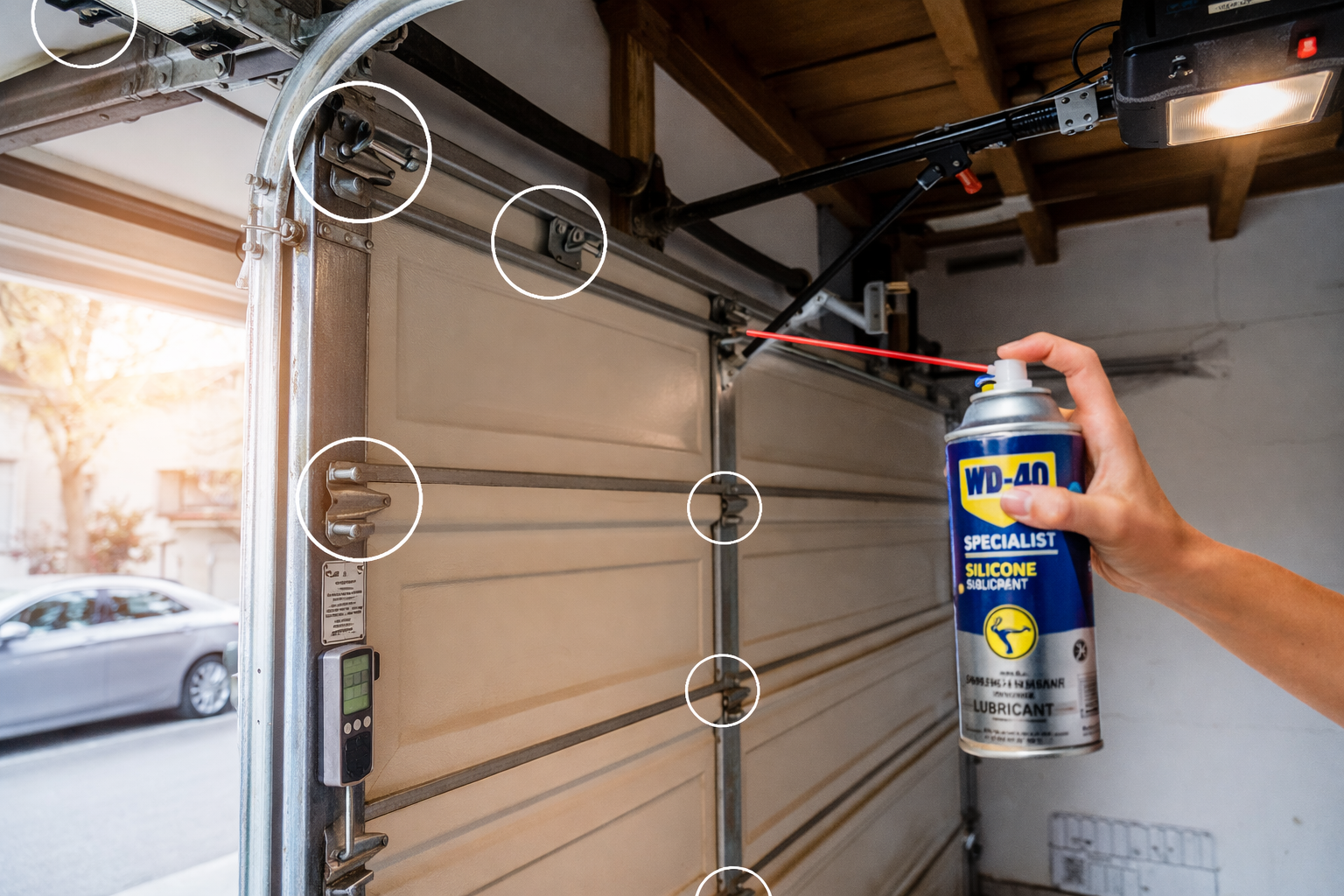
Regular seasonal adjustment matters more in hot climates than in cold ones.
Maintenance steps that extend door life
1. Seasonal spring adjustment
Heat slightly reduces effective spring tension. Rebalancing prevents opener strain.
2. Lubricate every 60–90 days during summer
High temperatures dry lubricants faster, increasing friction and noise.
3. Check track alignment annually
Small shifts become big problems over time.
4. Use insulated doors on sun-facing garages
They dramatically reduce panel bowing and opener load.
5. Adjust opener force settings seasonally
Too much force accelerates wear, too little causes reversals.
6. Install high-cycle springs
They tolerate expansion cycles far better than standard springs.
The Most Misunderstood Garage Door Problem
When a door only struggles during hot afternoons, replacing the opener rarely fixes the issue.
The opener reacts to resistance — it does not create it.
In most cases, temperature-related alignment change is the underlying cause.
A proper adjustment typically restores smooth operation without major replacement.
Garage doors in Austin don’t usually fail suddenly.
They slowly fall out of alignment due to daily expansion and contraction.
Understanding how heat affects the system helps homeowners address the real cause instead of repeatedly replacing parts that were never the original problem.